
Candles often smell stronger when burning because heat changes how fragrance moves from the wax into the air. As the flame melts the wax, it creates a warm liquid pool that releases fragrance more readily than solid wax at room temperature. Rising warm air then carries those fragrance molecules through the room.
This scent performance during burning is known as hot throw. However, lighting a candle does not automatically guarantee a stronger scent. The fragrance, wax, wick, vessel and burn conditions must work together.
Cold Throw vs. Hot Throw
Candle scent is commonly evaluated in two different states.
| Term | Meaning | What It Tells You |
|---|---|---|
| Cold throw | The scent released while the candle is unlit | How the candle smells in the jar or on the shelf |
| Hot throw | The scent perceived while the candle is burning | How effectively the candle fragrances a room |
A candle can have a strong cold throw but a weak hot throw. Smelling an unlit candle confirms that fragrance is present, but it does not prove that the finished candle will release and distribute that fragrance effectively during use.
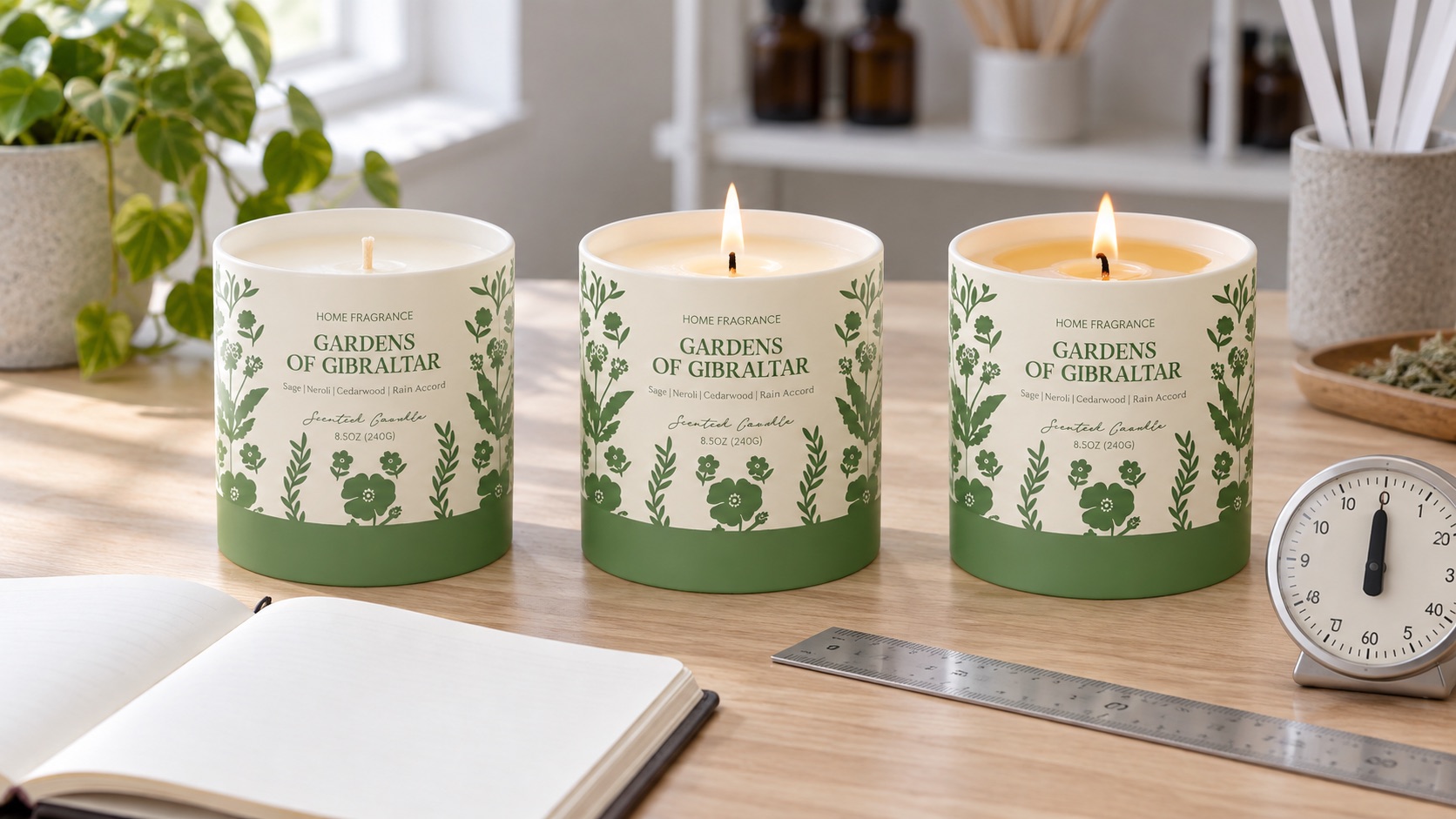
Heat Helps Fragrance Enter the Air
At room temperature, fragrance is held within a solid wax structure. Some aromatic compounds still reach the air, which is why an unlit candle has a detectable scent, but the release is relatively limited.
When the candle is lit, heat from the flame melts the surrounding wax. The higher temperature helps volatile fragrance constituents move from the liquid wax into the air more readily.
This does not mean the flame simply burns the fragrance and turns it into scent. The candle flame is sustained primarily by wax that melts, travels through the wick by capillary action, vaporizes and combusts. The American Chemical Society article Shining a Light on Candles describes this wax–wick–vapor cycle.
Fragrance release happens alongside that process. Controlled chamber research published in Environment International detected both evaporated fragrance constituents and combustion products in the air surrounding burning scented candles. The exact airborne mixture depends on the candle’s composition and burning conditions.
The Melt Pool Creates a Fragrance-Release Surface
The liquid wax surrounding the wick is called the melt pool. Its temperature and exposed surface area influence how much fragrance can enter the air.
Early in a burn, the melt pool may be small. As it develops, more warm liquid wax is exposed, creating a larger fragrance-release surface. This is why a candle may smell relatively light immediately after lighting but become more noticeable later.
A larger melt pool is not automatically better. If the wick produces excessive heat, the candle may burn too quickly, create an unstable flame or generate soot. If the wick is too small for the wax and vessel, the melt pool may remain narrow and limit scent performance.
Allow the candle to form a stable melt pool within the manufacturer’s recommended burn time. Do not continue burning solely to force the wax to melt completely to the edge of the vessel.
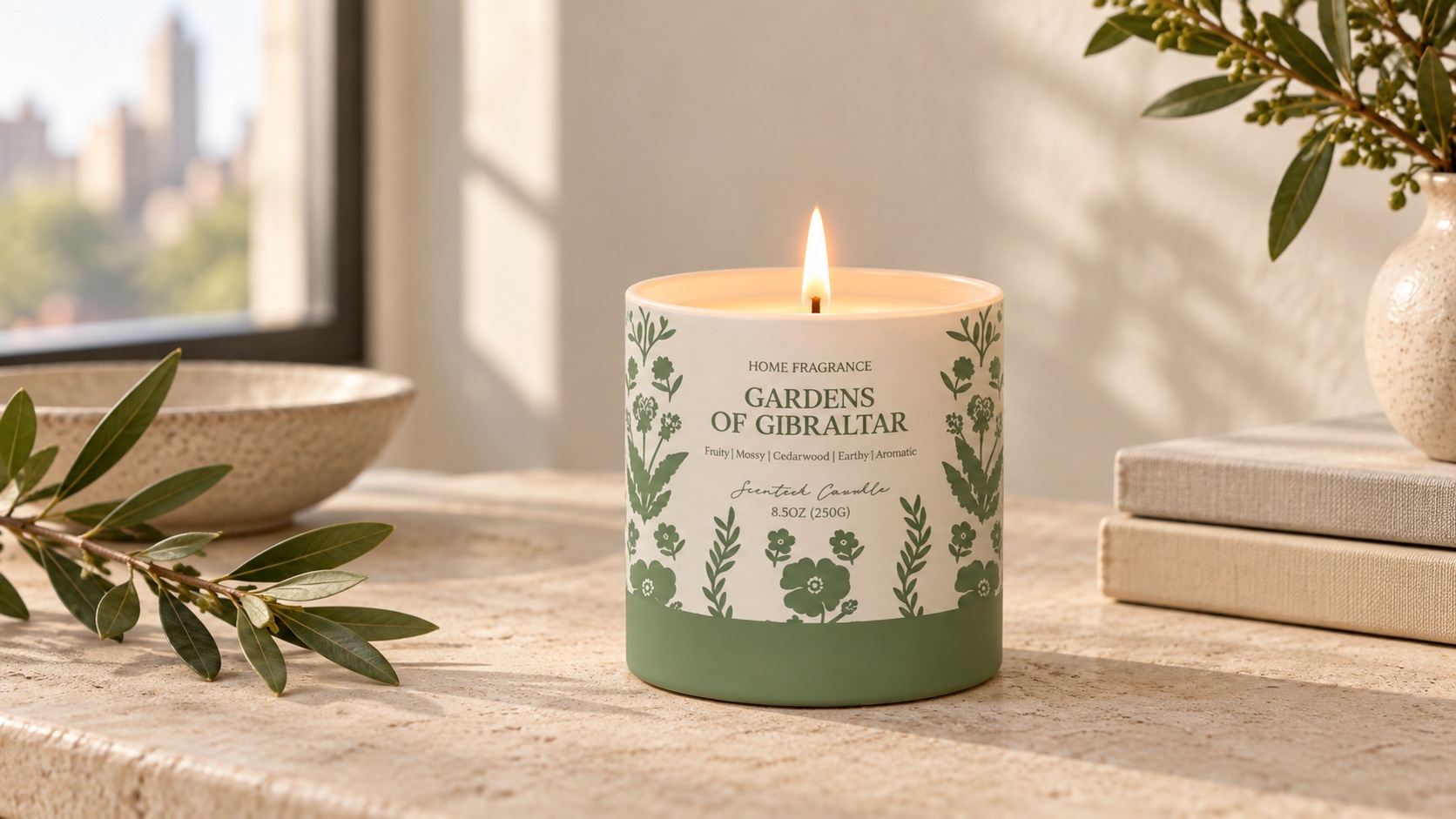
Warm Air Distributes the Fragrance
Heat also affects how the released fragrance moves through the room.
Air near the flame becomes warmer and rises. This natural convection helps carry fragrance away from the melt pool. Normal room air movement then distributes it more widely.
Placement matters. A candle beside an open window, fan or air-conditioning outlet may lose fragrance from the immediate area too quickly. Place it away from strong direct drafts while maintaining reasonable room ventilation.
Room size also affects perception. A candle that performs well in a small bedroom may feel much lighter in a large, open-plan living space.
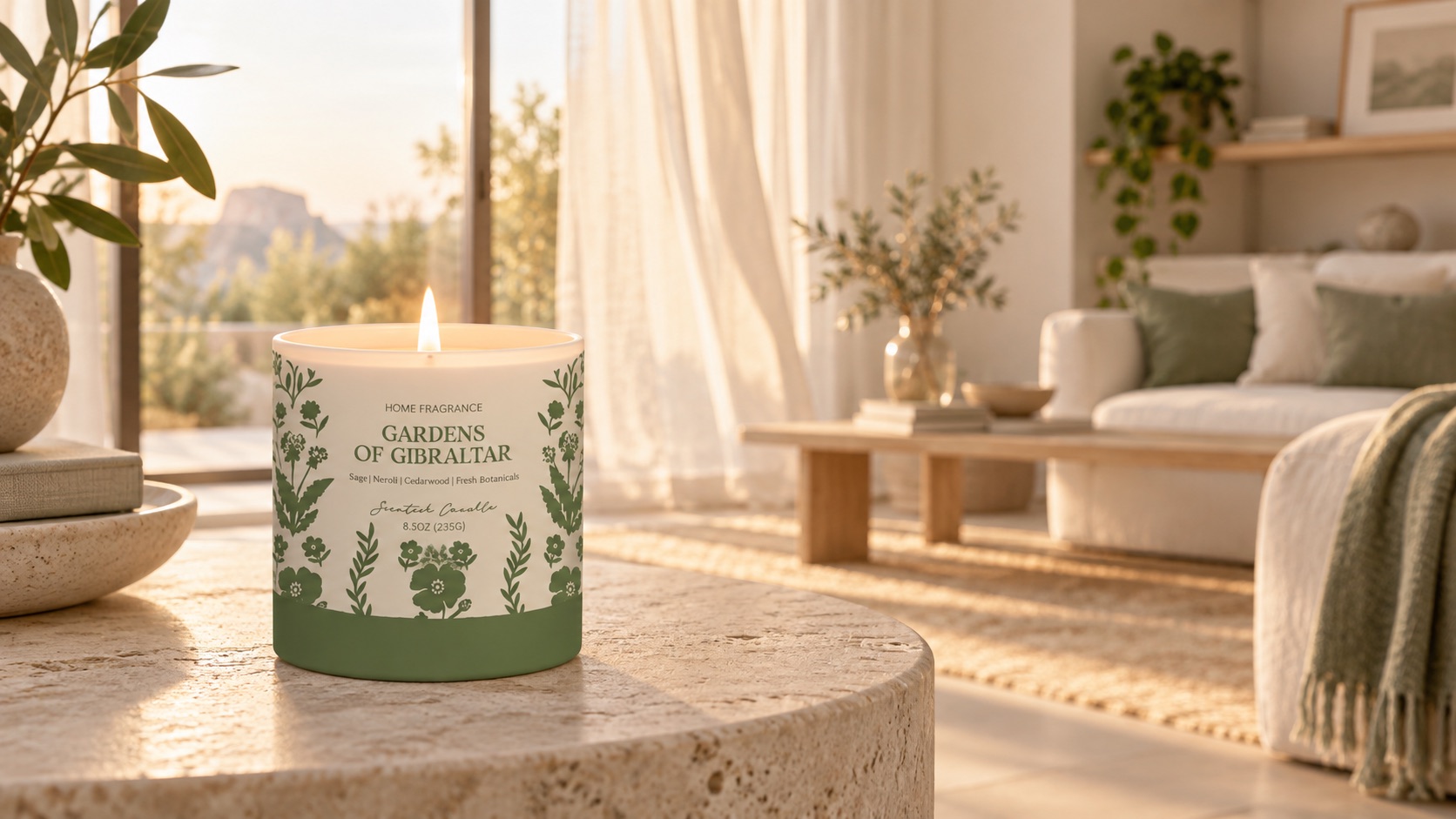
Why Does a Candle Still Smell Weak When Lit?
A weak hot throw does not necessarily mean that the candle contains too little fragrance. Common causes include:
- The melt pool is still small or not warm enough.
- The wick is not properly matched to the vessel and wax.
- The fragrance does not perform well in the selected wax system.
- Strong airflow is carrying the scent away.
- The room is too large for the candle’s output.
- Your sense of smell has adapted after continuous exposure.
Adding more fragrance oil is not a universal solution. A wax can only accommodate fragrance within an appropriate formulation range, and excessive fragrance may interfere with wick performance or combustion.
The supplier technical guide Candle Making 101: Hot Throw similarly notes that increasing fragrance oil does not always improve hot throw. Melt-pool development and wick selection remain important. This is industry supplier guidance rather than a universal formula for every wax and fragrance combination.
The practical conclusion is simple:
Hot throw is a system result, not a fragrance-load number.
How to Get Better Scent from a Candle
To help a candle perform as intended:
- Follow the manufacturer’s burn-time instructions.
- Keep the candle away from strong direct drafts.
- Trim the wick according to the product instructions.
- Keep the melt pool free from wick trimmings and debris.
- Extinguish the candle if the flame becomes unusually large, smoky or unstable.
- Leave the room briefly and return if the fragrance seems to have disappeared; olfactory adaptation can make a familiar scent less noticeable over time.
Do not add fragrance oil or essential oil to the melt pool. This changes the tested candle system and may create unsafe burning conditions.
Frequently Asked Questions
What is candle hot throw?
Hot throw is the strength and reach of a candle’s fragrance while the candle is burning and the wax is warm.
Does more fragrance oil make a candle smell stronger?
Not necessarily. Scent performance depends on fragrance concentration, wax compatibility, wick selection, vessel dimensions and burn conditions. Increasing fragrance without retesting the complete candle can reduce performance rather than improve it.
Why does my candle smell strong when cold but weak when lit?
Cold throw and hot throw measure different types of fragrance release. A candle may smell strong in the jar but fail to create the correct melt-pool temperature or surface area during burning. The fragrance may also be poorly matched to the wax or wick system.
How long does a candle take to release its full scent?
There is no universal time. Fragrance becomes more noticeable as a stable melt pool develops, but the timing depends on the candle’s diameter, wick, wax, fragrance and room conditions. Follow the manufacturer’s maximum burn-time guidance instead of burning longer simply to obtain more scent.
The Key Takeaway
Candle Scent Is a System
A scented candle is not just wax with fragrance added. Its performance depends on the interaction between the fragrance, wax, wick, vessel and intended burn conditions.
For candle brands, a strong fragrance sample or cold throw does not prove that the finished candle will perform consistently. Hot throw should be evaluated through controlled burn testing of the complete production configuration before bulk manufacturing.
References
- American Chemical Society. Shining a Light on Candles.
- Salthammer, T., Gu, J., Wientzek, S., Harrington, R., and Thomann, S. Measurement and Evaluation of Gaseous and Particulate Emissions from Burning Scented and Unscented Candles. Environment International, 2021.
- CandleScience. Candle Making 101: Hot Throw.